O Goddess Saraswati, bestow divine wisdom and purity upon us.
Why Pehowa?
The Sacred Significance of Prithudak Tirth (Pehowa)
Pehowa is a highly significant Hindu pilgrimage center in Haryana, famous as “Pitru Bhoomi” (Land of Forefathers) for performing ancestral rites like Pind Daan and Shradh, believed to grant salvation to departed souls, linked to King Prithu and the Mahabharata.
What Makes Pehowa So Special?
Pehowa, located in the Kurukshetra region, is mentioned in several ancient scriptures, including the Vaman Puran, Garuda Puran, Mahabharata, and Manusmriti. The name Prithudak comes from King Prithu, an incarnation of Lord Vishnu, who is said to have performed a hundred yajnas (sacrifices) here for the upliftment of his ancestors and mankind.
This sacred land holds the spiritual legacy of
King Prithu who performed intense tapas and yajnas
Rishi Vashishtha and Vishwamitra, who meditated and attained wisdom here.
Lord Brahma, who is said to have created new life at Brahmayoni, a key site in Pehowa.
Prachi Saraswati, the eastern-flowing hidden river that blesses this land.
If you feel an emotional or spiritual calling to connect with your ancestors
The Impact of Performing Rituals at Pehowa
Every step here = pilgrimage merit
Pind Daan clears karmic debt
Amavasya rituals become Akshaya
Shiva himself once bathed here
It is believed that the soul of any departed being who is honored with rituals at Pehowa attains eternal peace, and those who perform Shraddha, Tarpan, or Pind Daan here not only receive blessings from ancestors but also experience profound transformation in their own lives.
Religious & Spiritual Importance
Pind Daan & Ancestral Rites: Considered one of North India's holiest places for Pind Daan, Shradh, and Tarpan rituals for ancestors, ensuring peace and liberation (moksha).
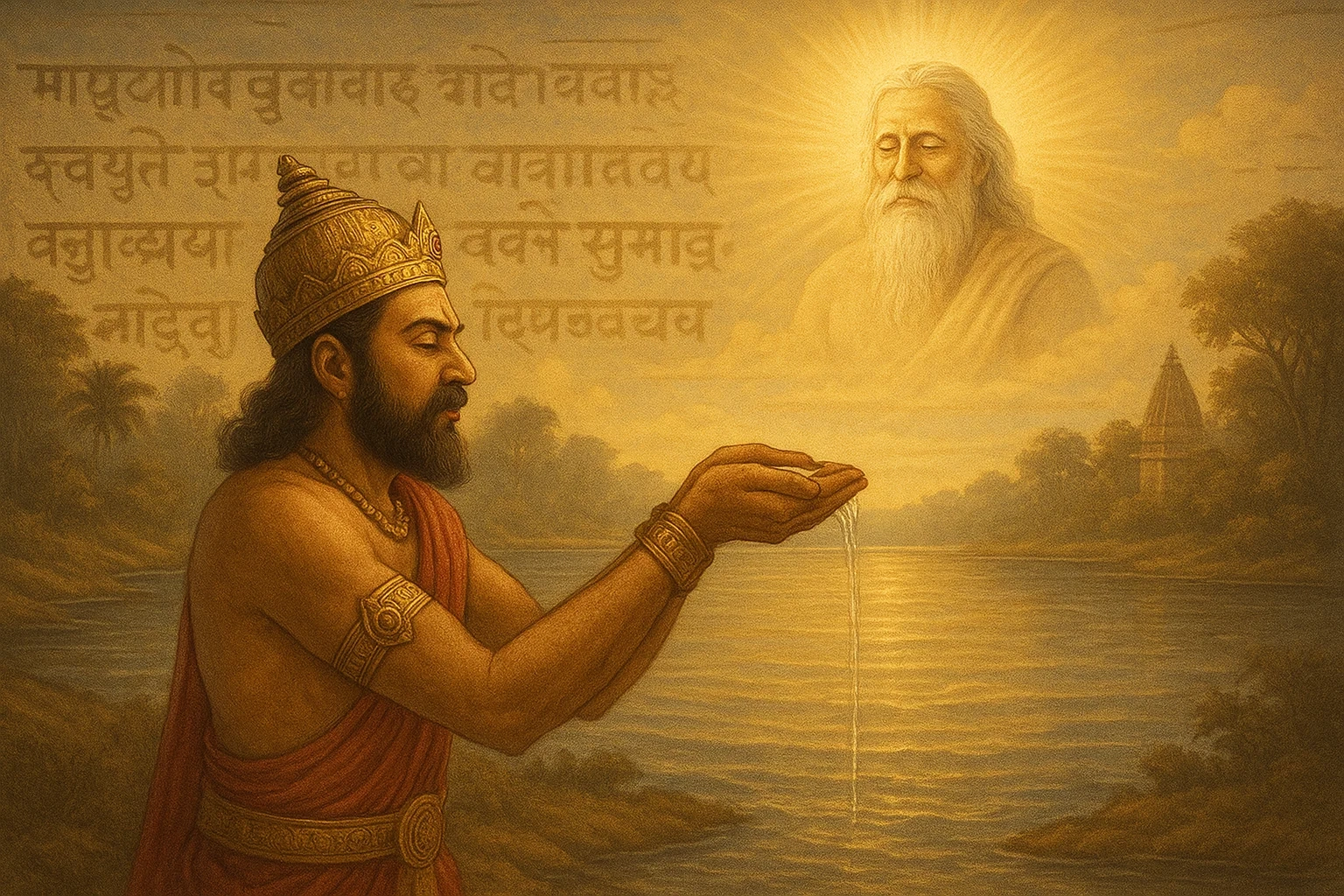
King Prithu: Named Prithudaka after King Prithu, who performed the first rites here for his father, King Vena, purifying the land.
Mahabharata Connection: Believed to be where Pandavas performed rites for soldiers killed in the Kurukshetra War.
Pitru Bhoomi: Known as the land where Lord Yama (God of Death) keeps records, making rituals here especially potent.
Saraswati River: Pilgrims bathe in the sacred Saraswati River, believed to wash away sins.
Chaitra Chaudas Mela: A large annual fair for Jal Tarpan and Pind Dan.
Sikh Significance: Also a sacred spot for Sikhs, with sites like Baoli Sahib and Chheami & Navmi Sahib Gurudwara.
Mahabharata
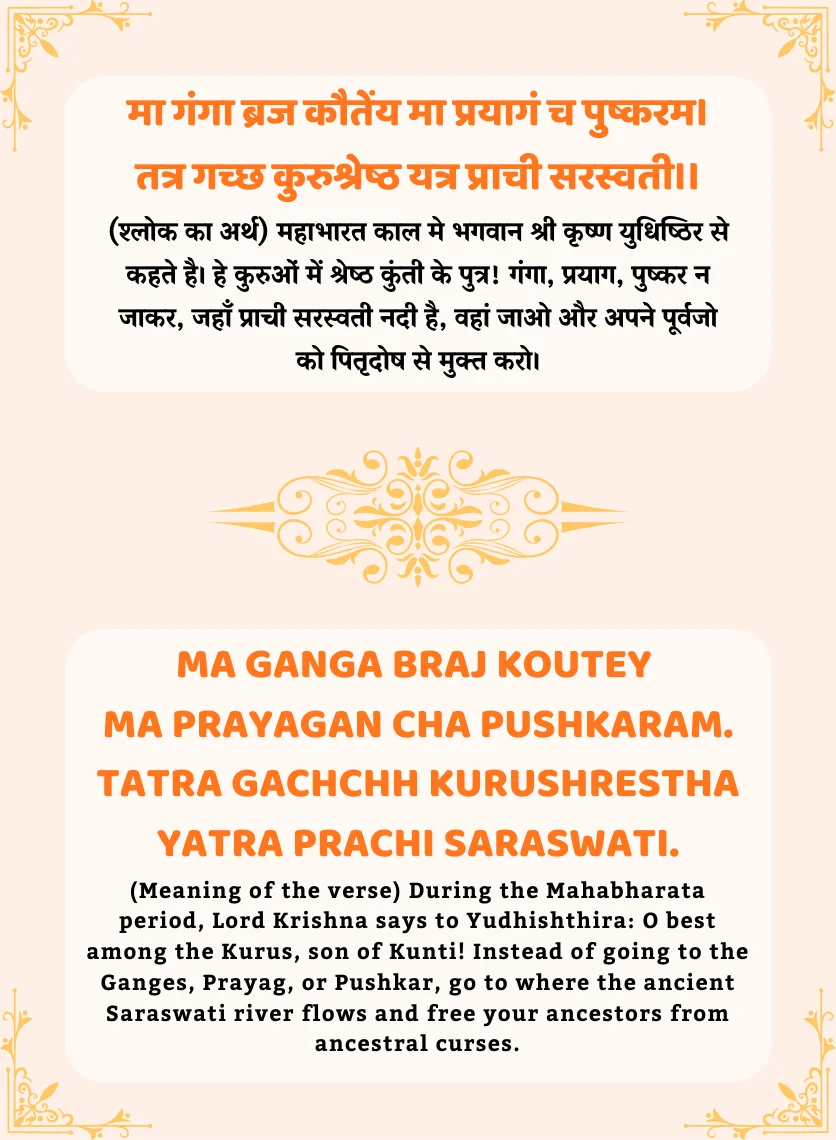
Go to the land where the Prachi Saraswati flows…
Garuda Puran
Pind Daan here ensures freedom from Preta Yoni.
Padma Puran
Even intentful donation here grants moksha.
Vaman Puran
Even Devas perform Shraddha here.
Prithudak – A Name of Eternal Offering
‘Prithu’ symbolizes the great King who performed yajnas here.
‘Udak’ means the sacred water offered to ancestors.
Together, Prithudak is the divine act of offering with pure devotion—made at a place where the cycle of karma can be dissolved.
The Transformative Power of Pehowa Rituals
Step with Faith
Even one step at Pehowa is equal to visiting multiple sacred pilgrimages.
Pind Daan Power
The Pind Daan performed here purifies karmic baggage of lifetimes.
Akshaya Punya
Rituals done during rare alignments give eternal spiritual merit.
Even Shiva Choose Pehowa
Legends say Lord Shiva left Kashi once to bathe in the Prachi Saraswati at Pehowa.
Kartikeya Temple, Pehowa
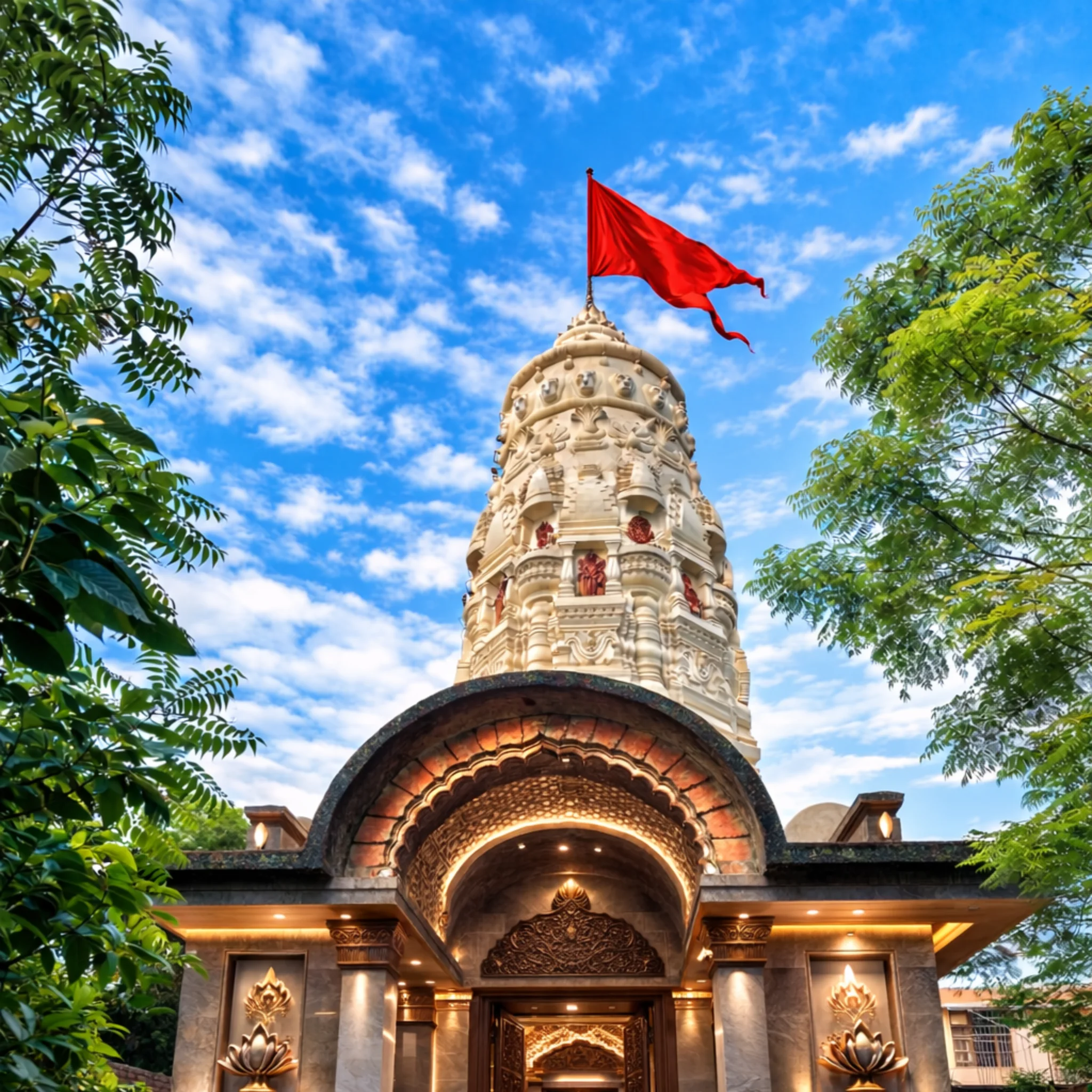
One of Pehowa’s most ancient sacred sites, the Kartikeya Temple dates back over 4,500 years. Here, two eternal oil lamps burn continuously – lit at Lord Krishna’s command to honor the 18 lakh warriors of the Mahabharata. A place of deep myth, devotion, and ancestral significance. Dedicated to Lord Kartikeya – son of Lord Shiva, commander of the divine army, and destroyer of the demon Taraka – this temple holds a unique place in Hindu tradition. Known by many names: Skanda, Guha, Shanmukha, Kumara – each name carries a story of his extraordinary birth and divine purpose. What makes this temple truly rare is its living legend. It is said that after a dispute with his mother Parvati, Lord Kartikeya chose Pehowa as his eternal abode – and declared that no woman shall gaze upon him. To this day, this ancient tradition is observed here.